Eco 360 | Partners

An Eco 360 environmental education program with Truth and Tales

Water activities for kids: follow where the water goes

3 activities of 10 to 20 minutes, with a cup, two pots and a little water

Where is the nearest water today?

Tap an answer to jump straight to the activity.

Water activities for children ages 4 to 8 can start at the kitchen tap and end by a stream. These three Eco 360 activities help children find where water is used at home, see where rain goes outside and listen to water in nature, with an adult close by. They suit World Water Day on March 22.

Eco 360 is a nonprofit association that, since 2007, has protected a stretch of Atlantic Forest on top of Morro do Macaco, in Bombinhas, Santa Catarina, Brazil, and brings environmental education to the people who come close to it.

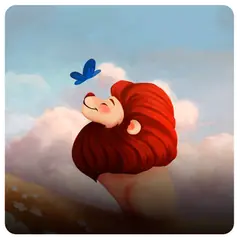
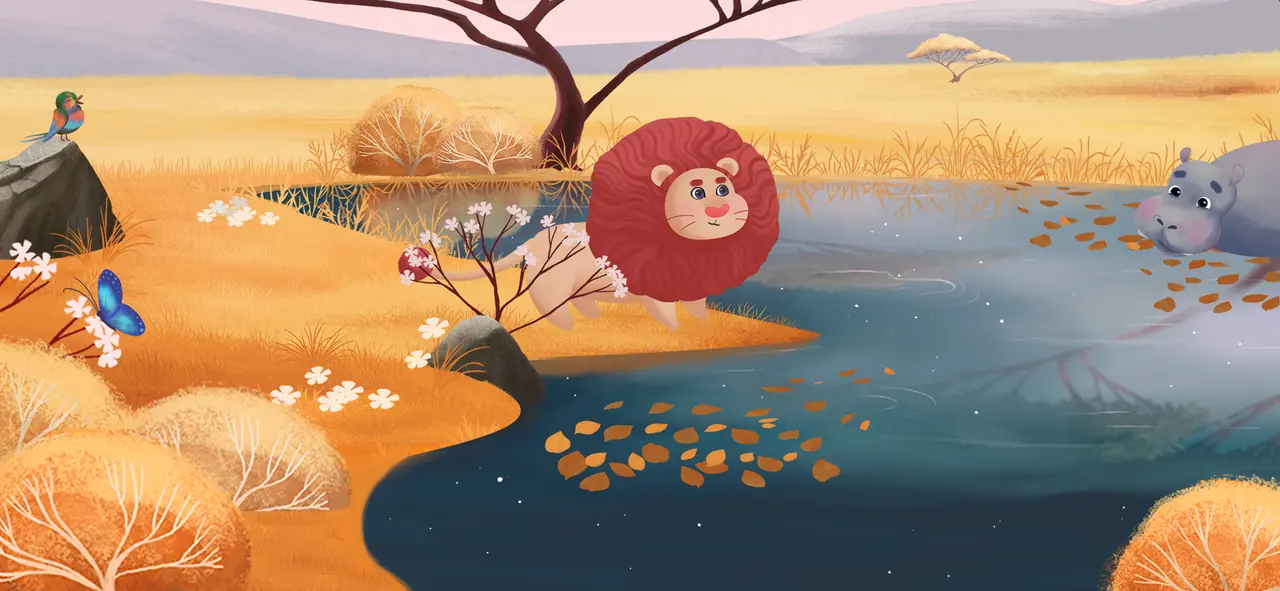
Illustration of Leo, the lion with a red mane, at the edge of a savannah lake, with a hippo in the water and a blue butterfly nearby

Three water activities, from the tap to the stream

Every activity here involves real water, so an adult stays right beside the child the whole time. Go slowly, let your child ask the questions and save any water you collect for the plants.

Water detectives

Age
4 to 8 years
Time
15 minutes, plus tooth-brushing time

You will need

  • A measuring cup or a plastic cup
  • A basin or a large bowl
  • Paper and a blue pencil

How to do it

  1. Walk around the home together and find every place where water comes in or goes out: taps, the shower, the toilet, the washing machine, the pet's bowl, the plant pots.
  2. Your child marks each place with a blue drop on a simple drawing of the home.
  3. At tooth-brushing time, with you beside them, put the basin under the tap and let it run for one brushing. Measure the water in the basin with the cup.
  4. Next time, turn the tap off while brushing. Compare: how many cups stayed in the pipes?
  5. Use the collected water for the plants, so none of it goes to waste.

What to notice: how your child reacts to the amount of water, and whether they start reaching for the tap on their own. Spotting a habit is where choosing a different one begins.

Where does the rain go?

Age
5 to 8 years
Time
20 minutes

You will need

  • Rain boots and a raincoat
  • Two pots with holes in the bottom, one filled with soil and one with stones
  • Two cups of water and two bowls

How to do it

  1. After a shower, put on boots and walk around the yard or street together. Find a puddle and follow where its water runs.
  2. Look for places where water sinks into the ground, like grass, soil and flower beds, and places where it runs off, like pavement, roofs and driveways.
  3. Back at a table, stand each pot in a bowl. Your child pours one cup of water into the soil pot and one into the stone pot.
  4. Watch which pot lets water through faster and which holds on to it longer. Ask: where would a plant find more to drink?
  5. Pour the water from the bowls onto a houseplant or the garden.

What to notice: the path water takes and the questions your child asks along the way. Following one puddle with full attention takes time, and that slowing down is part of the exercise.

Listening to water

Age
4 to 8 years
Time
15 minutes

You will need

  • A stream, a lake shore, the beach or a rainy day by an open window
  • Warm clothes for the weather

How to do it

  1. Sit or stand together well back from the water's edge, with an adult right next to the child throughout.
  2. Close your eyes for one minute and count on your fingers every water sound you hear: dripping, splashing, rushing, waves, rain on leaves.
  3. Open your eyes and look for where each sound comes from.
  4. Ask: who drinks this water, or lives in it? Think of birds, fish, frogs, insects, trees and the people in towns nearby.
  5. Before leaving, each person names the water sound they liked most.

What to notice: how many different sounds water can make and whether your child can tell them apart with eyes closed. Listening this way asks the body to stay still and the mind to stay with one thing.

Why noticing water is a good place to begin

Water is easy to overlook because it simply comes out of the tap. When children follow it, from the sink to the drain, from the rain cloud to the puddle, from the stream to the animals that drink there, they begin to see it as something shared by every creature nearby.

The Eco 360 program builds on the idea that attention, perception and the regulation of emotions are abilities children practice and develop in their early years. Turning off the tap mid-brush, waiting for water to drain through a pot or standing still by a stream each ask for a moment of focus and self-control.

From there, the premise follows. A person who perceives their own body, their feelings and the world around them is better placed to respect what each place, person and moment needs, and the rivers, lakes and seas we rely on depend on people like that.

  • Following

    Tracing water from one place to the next trains the eyes to follow a path instead of jumping from thing to thing.

  • Listening

    Water sounds change with speed and place. Telling them apart is an exercise in focused hearing.

  • Pausing

    Remembering to close the tap asks a child to interrupt an automatic action, a small step in self-regulation.

To carry on with a tablet or phone

Go looking for water with Leo, the Lion

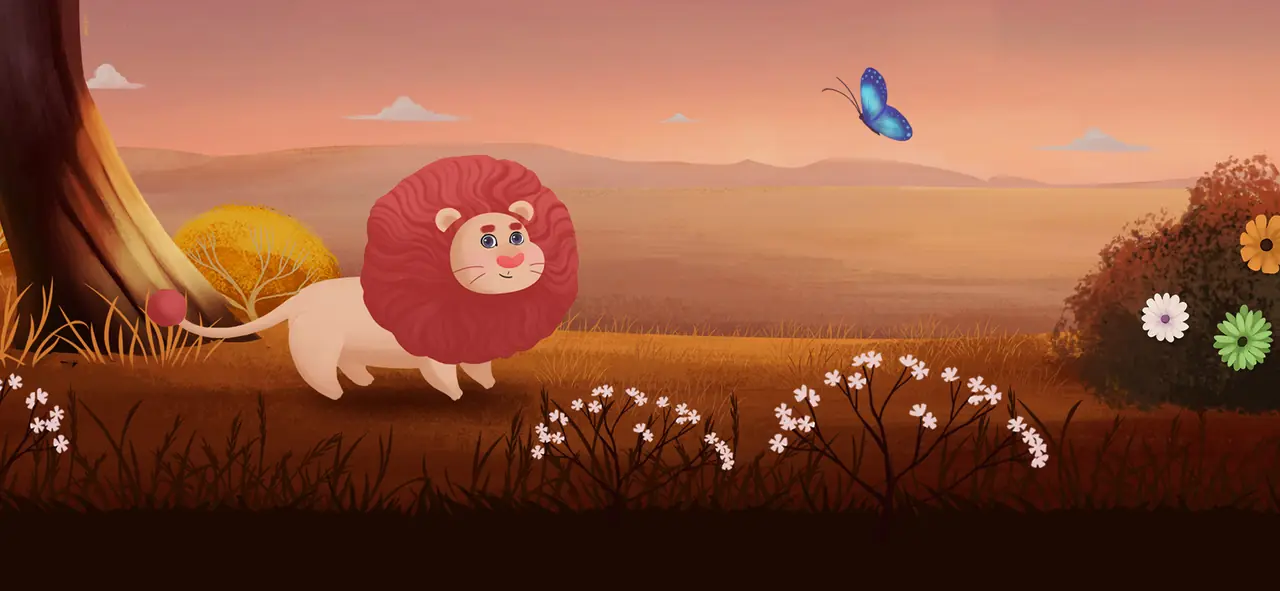
After listening to water, your child can join Leo, a lion who roars happily across the savannah, cannot understand why the other animals run from him and sets off to find water. Leo, the Lion is free in Truth and Tales, along with its audiobook, Move It and the Artist's Gallery.

Scene from Leo, the Lion: the lion with a red mane at the edge of a savannah lake, with a hippo in the water and a blue butterfly nearby

What is free in the app

  • Leo, the Lion

    Interactive narrative game, about 20 minutes

    Leo is a lion who roars happily across the savannah and cannot understand why the other animals run from him. Children build their own lion, tap, copy the sounds and follow Leo as he goes looking for water.

  • Leo, the Lion audiobook

    Audiobook, about 7 minutes

    The same Teaching Story to listen to slowly, eyes closed, in the car or before bed.

  • Move It

    Body movement activities

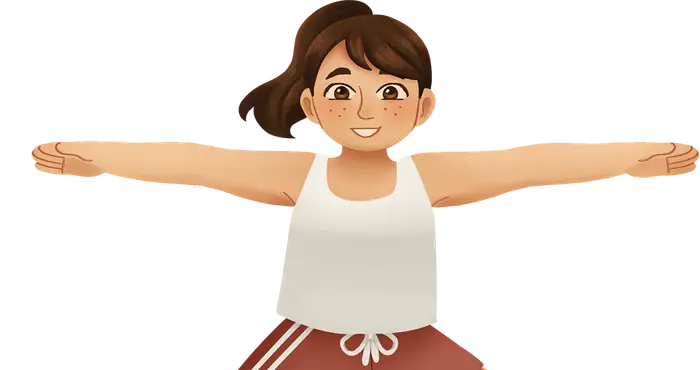
    Poses inspired by yoga and tai chi, such as the lion and the butterfly, to move the body and breathe with attention.

  • Artist's Gallery

    Painting

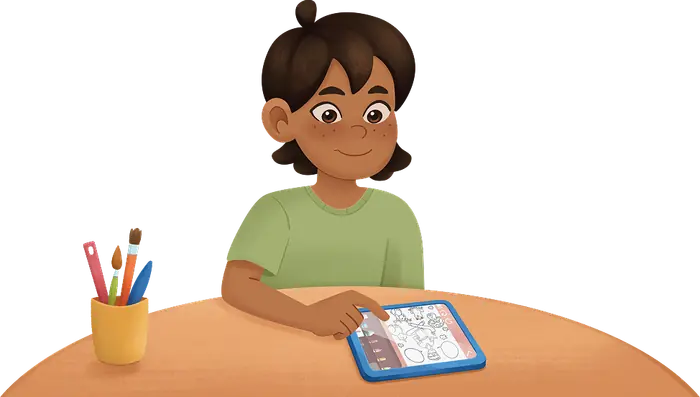
    Pictures to paint right on the device, at an easy pace and with no right or wrong.

The app is available in English and Portuguese, for Android and iPhone.

The items above are free. The app has other content that is not part of this program. Truth and Tales belongs to Plot Kids, a partner of Eco 360.

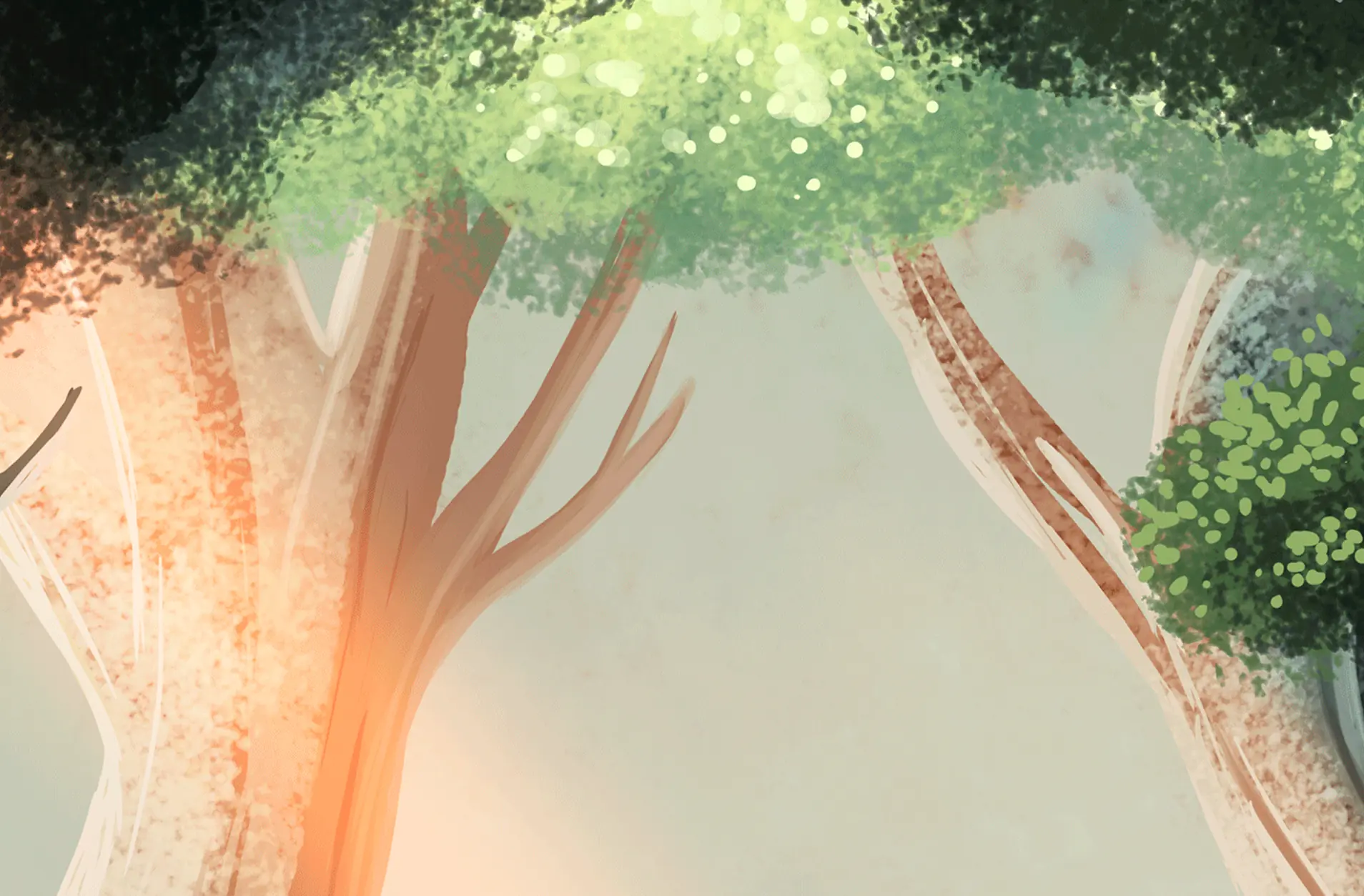
Illustration of tall tree trunks under a green canopy, with sunlight coming through

Where the forest meets the sea

In Bombinhas, Santa Catarina, Brazil, Eco 360 protects a stretch of Atlantic Forest on top of Morro do Macaco, close to the ocean. Forested hills like this one help rainwater soak into the soil and feed the streams below, and the association looks after the trails and the area's biodiversity.

The water in your own town comes from somewhere too: a river, a reservoir, a lake or underground. Finding out where your tap water starts could be the next activity for a curious child, and a reason to look at the local river with new eyes.

About the partnership

Eco 360 looks after the forest and runs environmental education. Truth and Tales brings technology and content for children. Together they created these activities to take environmental education into homes and classrooms.

What Eco 360 does

The Eco 360 Environmental Preservation Center protects the Atlantic Forest on top of Morro do Macaco, in Bombinhas, looks after the trails and keeps a controlled public visiting area. The purposes set out in its statute include environmental preservation, environmental education programs and partnerships with public and private institutions.

How Truth and Tales contributes

Truth and Tales is an app by Plot Kids for children ages 4 to 8, with interactive narrative games, audiobooks, body movement activities and painting. The app's Teaching Stories are written and adapted by people, with review by educators, therapists and doctors. In the program, the team contributes technology, illustrations and the app's free content.

Frequently asked questions

What are simple water activities for preschoolers?

Simple ideas include finding every place water is used at home, measuring how much runs while brushing teeth, pouring water through pots of soil and stones, following a puddle after rain and listening to a stream with eyes closed. They need a cup, a basin and a little water, and an adult stays beside the child for all water play.

When is World Water Day?

World Water Day is on March 22 every year. The United Nations set the date, and it is the same in every country. Schools and families often mark it with water activities, but these ones work in any week of the year, especially after a rainy day when puddles and streams are easy to find.

How do we keep water play safe with young children?

Keep an adult right beside the child whenever there is water, even a shallow basin or a puddle. By a stream, a lake or the sea, choose a spot with a gentle edge, stay back from it and keep away from fast or deep water. Water found in nature is for looking at and listening to, not drinking. Dry off and warm up afterwards.

Who runs this water program?

The program is run by Eco 360, a nonprofit association that has protected Atlantic Forest on Morro do Macaco in Bombinhas, Brazil, since 2007, in partnership with Truth and Tales, an app by Plot Kids for children ages 4 to 8. Eco 360 contributes its environmental education experience, and Truth and Tales contributes technology and content.

Does my child need the app for these activities?

No. All three activities happen away from screens, with a cup, a few pots and real water. The Truth and Tales app is there for families who want more: Leo, the Lion, the story of a lion who goes looking for water, is free, as are its audiobook, Move It and the Artist's Gallery, on Android and iPhone.

Open it on your phone or tablet

Point your phone's camera at the code. It opens the right store for your device.

Or see the app on the Truth and Tales website